
CGMs: Do You Actually Need One?
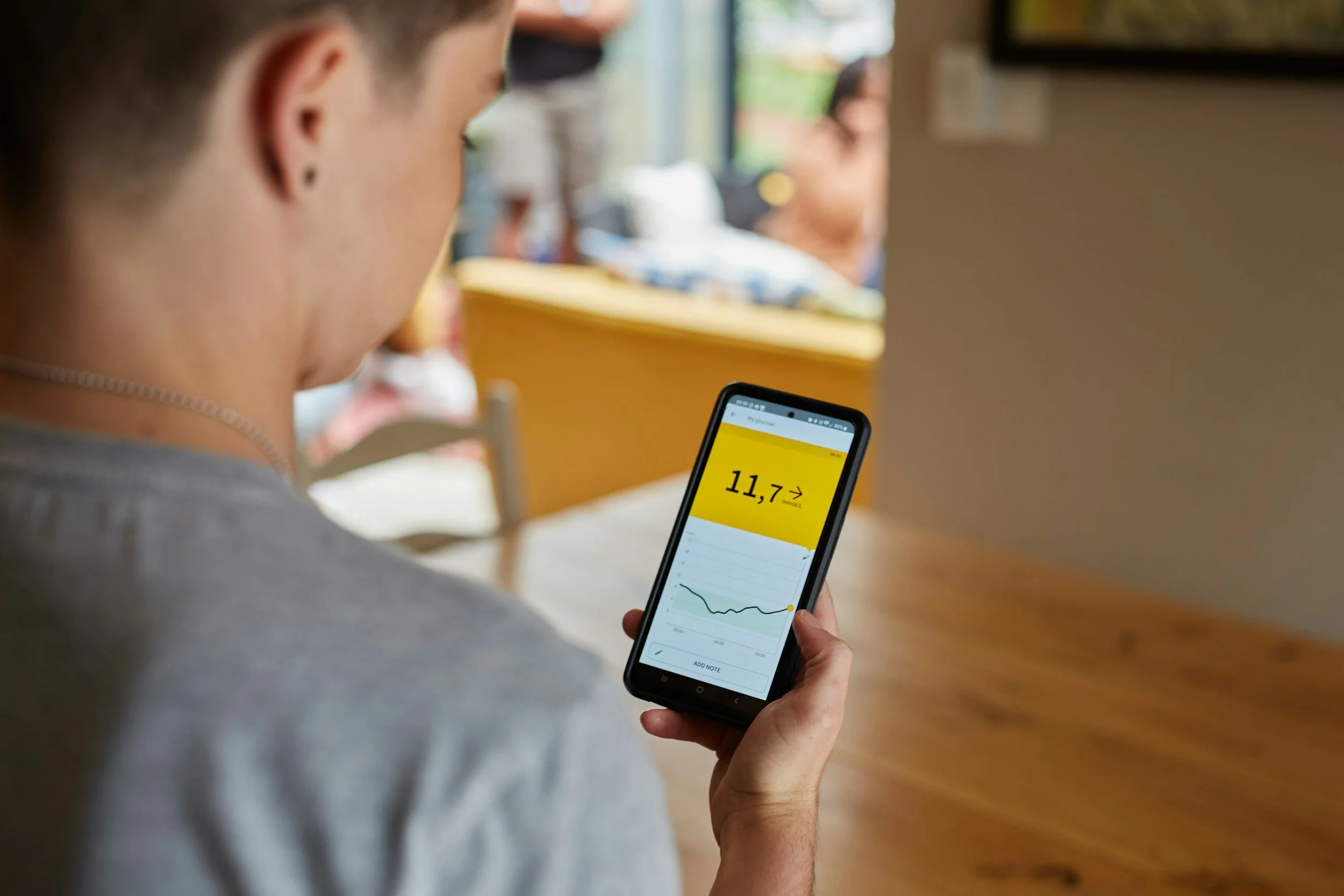
Continuous glucose monitors (CGMs) have gone from a medical device to a wellness trend almost overnight. You see them on athletes, influencers, and biohackers. But do you actually need one?
If you are type 1 or type 2 diabetic, the answer is yes. That conversation happens with your doctor, not me. But for the general population? The honest answer is probably not. And here is why.
I have had a number of clients wear CGMs, and what I have found is that almost everyone walks away with the same three lessons. The device is different for each person, but the takeaways are nearly identical every time.
So here they are. The three things a CGM will teach you, without you needing to spend the money on one.
1. Walk after you eat
Every single client who has worn a CGM has seen the same thing: a walk after a meal, even just 10 to 15 minutes, significantly blunts the blood sugar spike that follows eating. When you move, your muscles pull glucose out of the bloodstream for fuel. Less glucose sitting in your blood means a smaller spike, a smaller insulin response, and over time, better blood sugar regulation overall.
This is also one of the most underrated tools for weight loss. Managing post-meal blood sugar helps control hunger, reduce energy crashes, and keep your body in a better hormonal state for fat burning. You do not need a CGM to benefit from this. You just need to make the walk a habit.
2. The order you eat your food matters
Most people eat whatever looks good first. But the sequence in which you eat your food has a real impact on how your body responds to it.
Eating vegetables and protein before your carbohydrates helps slow digestion and blunts the blood sugar spike from those carbs. Fiber from vegetables creates a kind of buffer in your gut that slows glucose absorption. Protein triggers hormones that slow stomach emptying. Together, they take the edge off what would otherwise be a sharp rise in blood sugar.
This one small shift, veggies and protein first and carbs after, can make a meaningful difference in blood sugar control and, over time, weight management. Simple, free, and no device required.
3. Your body cannot handle a flood of refined carbs at once
Nothing makes a CGM light up like a large serving of refined carbohydrates: white bread, pasta, sugary drinks, pastries. The blood sugar spike is dramatic and immediate. And when that spike happens repeatedly, your body has to produce more and more insulin to manage it.
Over time, your cells stop responding to insulin as efficiently. This is called insulin resistance and it is the primary driver of type 2 diabetes. It does not happen overnight. It happens across years of the same patterns repeated over and over.
You do not need to eliminate carbs. You need to stop flooding your system with them in large quantities at one time. Smaller portions, better sources, spaced out through the day. That is the lesson the CGM teaches and you can apply it starting today.
The bottom line:
CGMs are a genuinely useful tool. If you have the curiosity and the budget, wearing one for a month can be eye-opening. But most people do not need one to know what to do.
Walk after meals. Eat your vegetables and protein before your carbs. Do not dump a massive amount of refined carbohydrates into your body at one time. These three habits will do more for your long-term metabolic health than any wearable device.